Restorative Dentistry in Chicago, IL
We have a variety of amazing treatments and procedures available to brighten and renew your smile.

Restorative care includes
- An exam to find the cause of pain, damage or decay
- X-rays when needed to see what’s happening below the surface
- A clear explanation of your treatment options
- Numbing so you stay comfortable during treatment
- Aftercare tips and follow-up checks on your restoration
Crowns
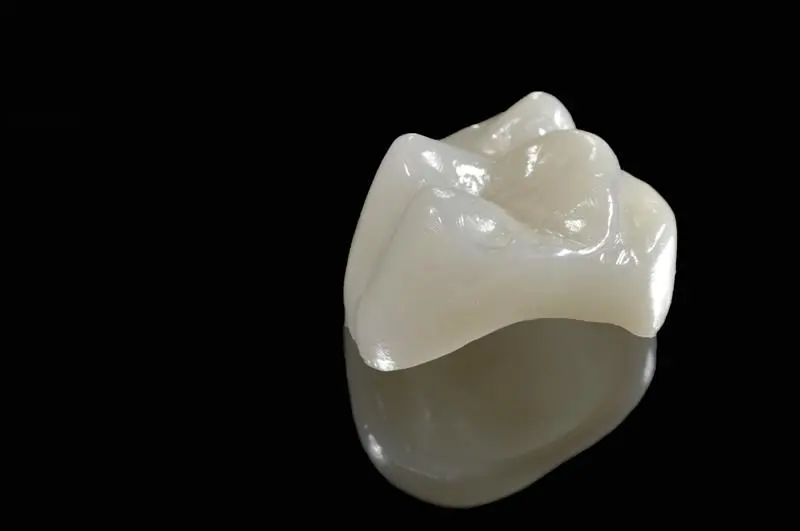
A crown is a full coverage restoration that is placed on a tooth to restore cosmetics and function. It is needed when severe breakdown due to fracture or decay is present. Crowns are also used to restore teeth that have previously had root canal or endodontic treatment.
More about crownsBridges
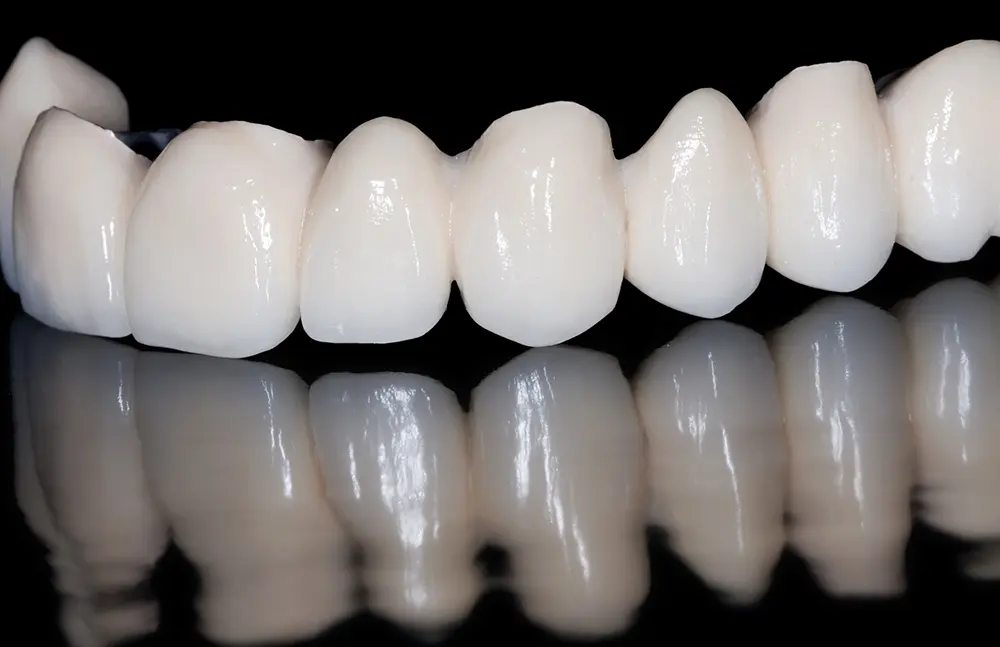
A dental bridge is a dental prosthesis (artificial tooth) supported by two teeth on either side of a missing tooth. Dental bridges are used to replace missing teeth and they cannot be removed by the patient. The two teeth on either side of the missing tooth must be prepared for crowns. The false tooth is then joined to the crowns and the entire structure (bridge) is cemented in place.
More about bridgesTooth-Colored Fillings
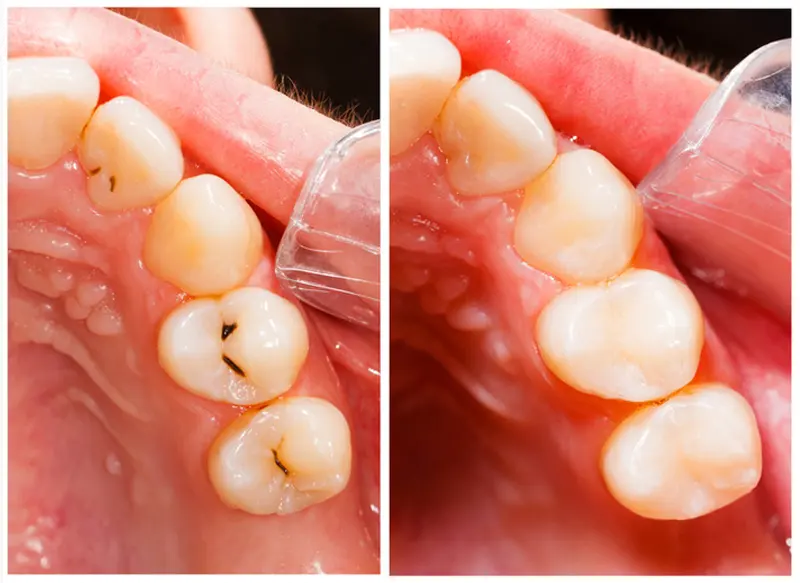
Tooth-colored fillings are dental fillings that restore and mimic the natural appearance of tooth structure. In addition to restoring teeth that have fractured or decayed, tooth-colored fillings may also be used cosmetically to change the size, color and shape of teeth. These fillings are particularly useful in closing gaps between teeth, repairing chipped teeth and making teeth appear to be more straight or even.
More about fillingsRoot Canals
A root canal removes the diseased or infected part of the tooth, and it removes the nerve from a severely broken tooth, allowing the tooth to be saved. You may need a root canal if you have a severe toothache or throbbing pain, often along with swelling in your jaw around your tooth.
More about root canalsWhy Restorative Dentistry Matters
Restorative dentistry is about repairing what’s been damaged and replacing what’s missing, so you can chew, speak and smile with confidence again. Treating a cavity, crack or infection early often keeps a small problem from turning into a bigger, more involved one later. In many cases, it also means keeping your natural tooth, which is usually the best outcome for your long-term oral health.
When a tooth is broken or missing, neighboring teeth can shift and food can collect in hard-to-clean spots. Restoring it helps protect the rest of your smile, and tooth-colored materials mean the work usually blends right in.
What to Expect
Every visit starts with an exam and, if needed, X-rays. Then we’ll walk you through your options. A small area of decay can often be handled with a filling, while a tooth with a large break or several old fillings may need a crown. A missing tooth might be replaced with a bridge, and an infected tooth may need a root canal before it can be restored.
Most restorative treatments are done with local anesthetic, so the area is numb while we work. Some treatments, like fillings, are usually finished in one visit. Others, like crowns and bridges, often take two visits: one to prepare the tooth and one to place the final restoration. Mild tenderness for a few days afterward is common and usually eases on its own.
Afterward, brushing, flossing and regular checkups help your restorations last.
Common Questions
How do I know which restorative treatment I need?
It depends on how much of the tooth is damaged, where it is and whether the nerve is involved. Your dentist will examine the tooth, take X-rays if needed and explain each option.
What’s the difference between a filling and a crown?
A filling repairs a smaller area of a tooth by filling in the space left after decay is removed. A crown covers the entire visible part of the tooth and is usually recommended when a tooth is badly broken, heavily filled or has had a root canal. Your dentist will recommend the more conservative option when it’s a good fit.
Will restorative treatment hurt?
Most treatments are done with local anesthetic, so you shouldn’t feel pain during the procedure. It’s normal to have some tenderness or sensitivity for a few days afterward.
Does insurance cover restorative dentistry?
Coverage depends on your plan and the treatment you need. Our team can help you check your benefits before treatment. You can also learn more on our insurance and payment options pages, or ask about our in-office plan if you don’t have insurance.
What if I put off treating a damaged tooth?
Decay and cracks usually get worse over time. A tooth that could have been fixed with a filling may later need a crown, a root canal or even removal. Getting it checked sooner often keeps treatment simpler.
Terms You May Hear
- Restoration
- Any treatment that repairs or replaces tooth structure, such as a filling, crown or bridge.
- Local anesthetic
- Numbing medicine placed near the tooth so you stay comfortable while your dentist works.
- Decay
- Damage to the tooth caused by bacteria and acid, often called a cavity. Left untreated, it can reach the inside of the tooth.
Related Services

Have a tooth that needs attention?
Call our Chicago office and we’ll help you understand your options and find a plan that works for you.
After hours: 312-910-0995