Cosmetic Bonding in Chicago, IL
A tooth-colored material, hardened with a special light, that repairs and reshapes teeth.
Dental bonding is the procedure where we apply a tooth-colored plastic material to a patient’s tooth. Using a special light, the material hardens and bonds to the tooth.

Bonding can be used to
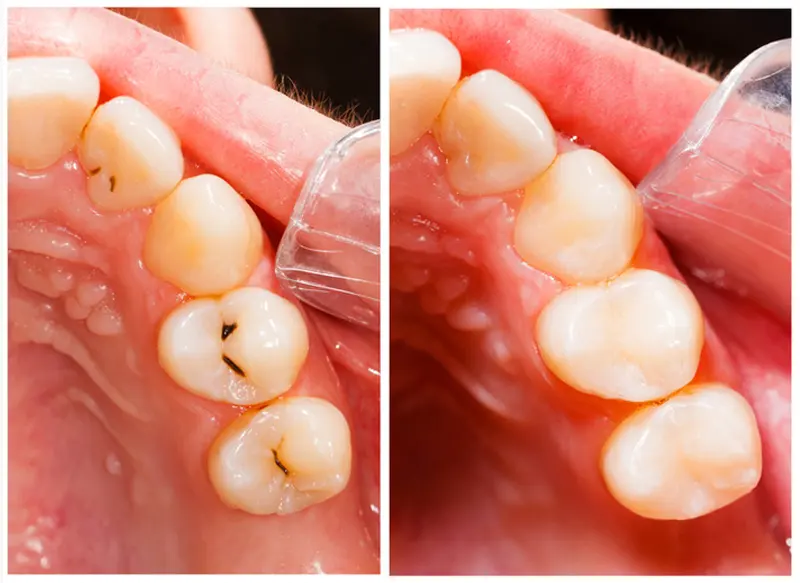
- Repair cracked and decaying teeth
- Treat cavities
- Change the shape and size of your teeth for a more uniform smile
- Protect exposed teeth where gums have receded
- Close spaces between teeth
What Bonding Can Do
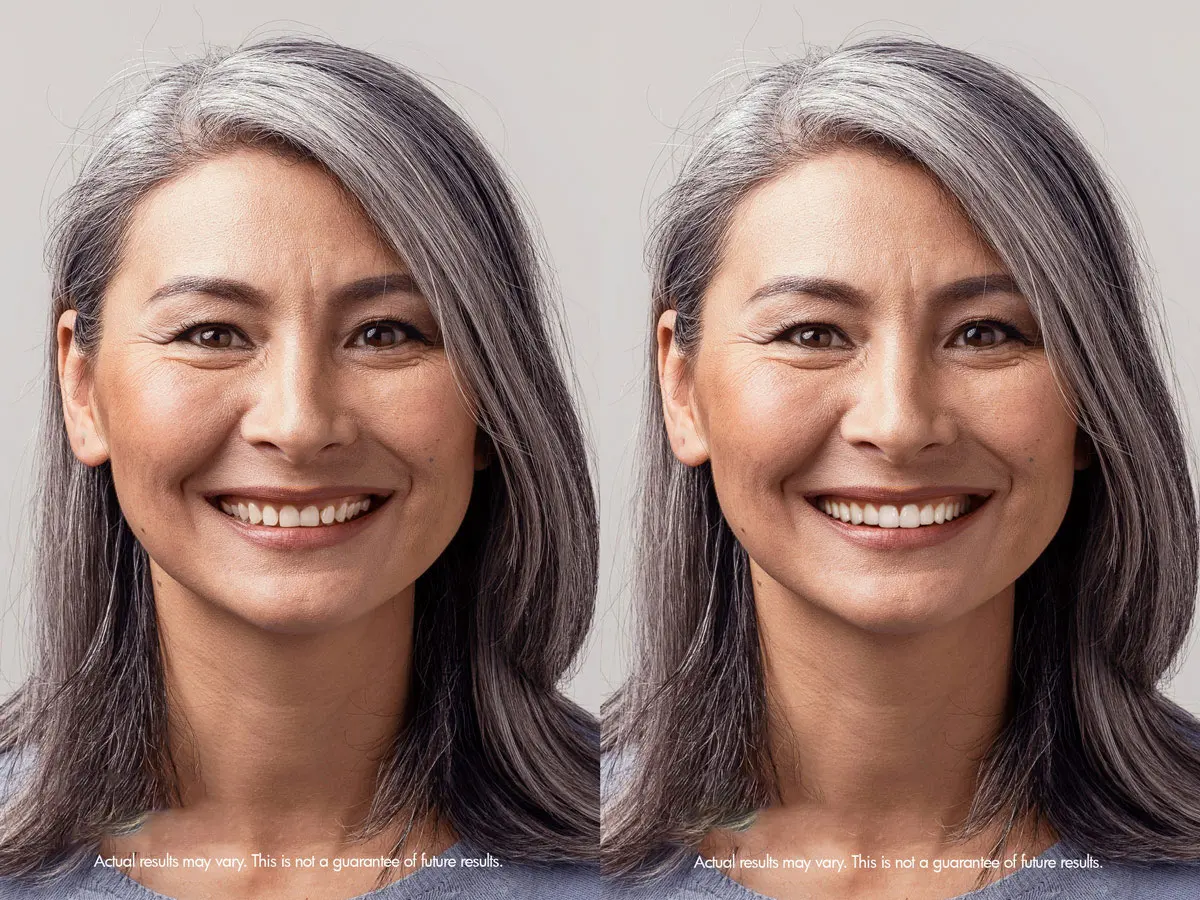
Dental bonding is used to improve a patient’s smile. It can be used on cracked and decaying teeth. It also can be used for cavities. It can be used to change the shape and size of your teeth so you have a more uniform smile! It is also commonly used for receding gums by protecting the exposed teeth!
Bonding is typically used for cosmetic purposes to improve the appearance of a discolored or chipped tooth. It is also used to close spaces between teeth, to make teeth look longer or to change the shape or color of teeth. Sometimes whitening the teeth before doing cosmetic bonding is recommended to achieve the best outcome.
Benefits of Cosmetic Bonding
Bonding is one of the most conservative cosmetic treatments available. Very little, if any, natural tooth needs to be removed, and the material is shaded to blend with your own teeth. That makes it a good first option for a chipped tooth, a narrow gap or an uneven edge.
It is also usually quick. Many bonding treatments are finished in a single visit, often without the need for numbing unless the tooth is being repaired for decay.
Bonding does have limits. The material isn’t as stain-resistant or as strong as porcelain, so it can chip or pick up stains over time. For larger changes, or for teeth under heavy biting pressure, your dentist may suggest veneers or a crown instead.
What to Expect
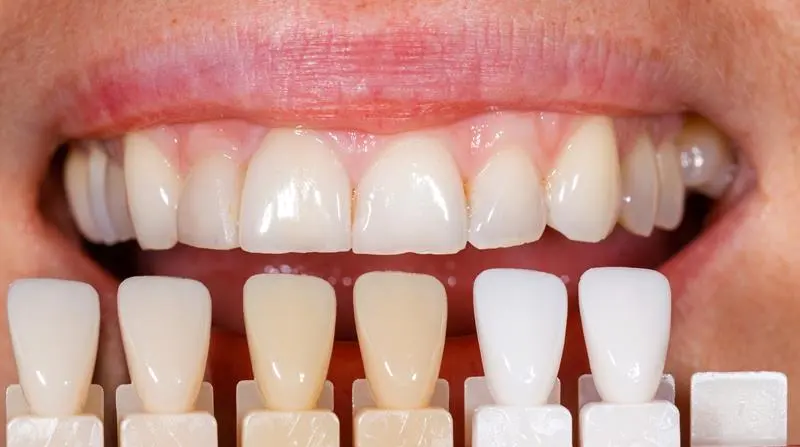
Your dentist first chooses a shade that matches your natural teeth. If you’re planning to whiten, it’s usually best to do that before bonding, since the material won’t change color afterward. The tooth surface is then lightly roughened and a conditioning liquid is applied to help the material stick.
Next, the tooth-colored resin is applied in layers and sculpted to the right shape. A special light hardens each layer, and your dentist trims and polishes the tooth so it looks smooth and natural. There’s usually no recovery time.
To help your bonding last, brush and floss as usual, keep up with cleanings, and avoid biting fingernails, ice or pens. Coffee, tea and red wine can stain the material, especially in the first couple of days.
Common Questions
How long does dental bonding last?
It varies with the location of the tooth and your habits. Many bonding repairs last several years before they need touching up or replacing.
Does bonding hurt?
Most people find bonding comfortable, since the procedure usually involves little or no removal of the natural tooth. If bonding is used to repair decay, your dentist may use a local anesthetic to keep you comfortable.
Is bonding or a veneer better for me?
Bonding is often a good fit for small chips, gaps or minor shape changes, and it can usually be done in one visit. Veneers tend to be more durable and stain-resistant, which can make them a better choice for larger or longer-lasting changes. Your dentist will help you compare the two.
Can bonded teeth be whitened?
Bonding material doesn’t respond to whitening the way natural enamel does. That’s why your dentist may suggest whitening first and then matching the bonding to your new shade.
Does insurance cover bonding?
Coverage depends on your plan and on whether the bonding is restorative, such as repairing a cavity, or cosmetic. Our team can help you check your benefits. You can also see our insurance, payment options and in-office plan pages.
Terms You May Hear
- Composite resin
- The tooth-colored material used in bonding and white fillings. It’s shaped while soft and then hardened with a special light.
- Etching
- Lightly roughening the tooth surface with a mild solution so the bonding material can grip the enamel.
- Curing light
- A handheld light that hardens the bonding material in a few seconds, layer by layer.
Related Services
Ready to fix that chip or gap?
Call our Chicago office to book a visit and ask whether cosmetic bonding is right for you.
After hours: 312-910-0995