Scaling & Root Planing in Chicago, IL
A more in-depth, thorough cleaning for patients who may be suffering from periodontal disease.
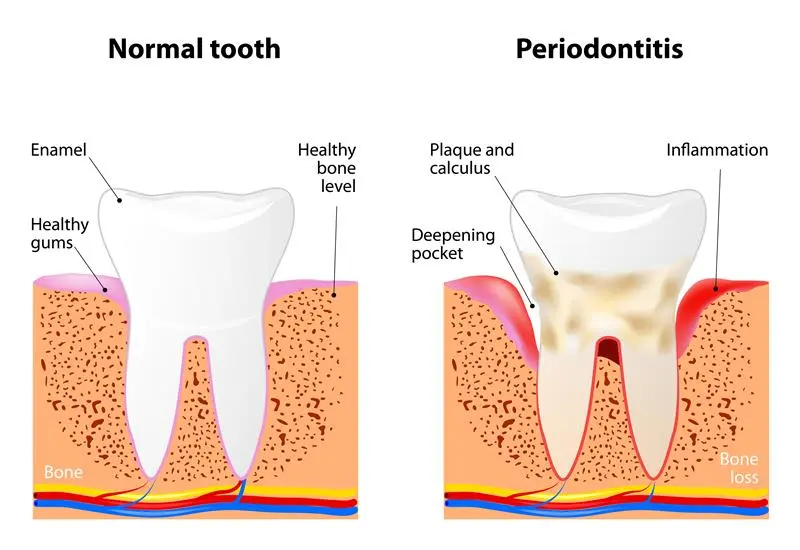
Scaling and root planing are a more in-depth, thorough cleaning treatment recommended for patients who may be suffering from periodontal disease. Also known as gum disease, this type of gum infection is caused by bacteria and plaque forming on your teeth over time and causing inflammation. While serious, periodontal disease is treatable. However, it can lead to bone or tooth loss if not treated quickly.
Scaling and root planing includes
- A gum evaluation and pocket measurements
- Numbing of the areas being treated, when needed
- Removal of plaque and tartar below the gumline
- Smoothing of the root surfaces
- A follow-up visit to check how your gums are healing
Scaling
When your gums become inflamed, bacteria hides in pockets that trigger the gums to push away from the teeth. Once these layers or pockets have been formed, it is nearly impossible to clean them with just brushing alone. This is where scaling and root planing becomes necessary.
During the scaling portion of this conventional periodontal therapy, our team will use a scaling tool to remove any plaque, bacteria, and tartar around the affected tooth and below the gumline all the way to the bottom of the infected pocket.
Root Planing
After the scaling is complete, we will move onto root planing. The root planing technique is used to smooth out the tooth’s root and ultimately remove the pocket caused by bacteria. When the root has been effectively smoothed, the gums can be reattached and have a greater chance of fully healing.
Comfort & Aftercare
Some patients report mild discomfort during the procedure and increased sensitivity after the treatment is complete, but with a personalized treatment plan, we can help manage any discomfort and pain. Moving forward, practicing good oral hygiene is paramount for making sure that periodontal disease doesn’t become worse after seeking initial treatment at our office.
Benefits of a Deep Cleaning
A regular cleaning focuses on the teeth above and just below the gumline. When gum disease has formed deeper pockets, bacteria and tartar collect in places a routine cleaning and home care can’t reach. Scaling and root planing clears out those areas so the gums have a better chance to heal and tighten back around the teeth.
Treating these pockets can help reduce inflammation, bleeding and bad breath, and it helps slow or stop the damage gum disease does to the bone and tissues that hold your teeth in place. For many patients, it’s the first step in getting gum disease under control without surgery.
How a Deep Cleaning Visit Works
Before treatment, your dentist will measure your gum pockets and review X-rays to decide which areas need care. Scaling and root planing is often done one section of the mouth at a time, so treatment may be split across two or more visits.
On the day of treatment, the area is usually numbed so you stay comfortable while we clean below the gumline and smooth the roots. For a few days afterward, soft foods and warm salt-water rinses often help with soreness.
We’ll typically see you again a few weeks later to recheck your gums and measure the pockets. Many patients then move to a periodontal maintenance schedule, with cleanings more often than twice a year, to help keep gum disease from coming back.
Common Questions
Does scaling and root planing hurt?
The area is usually numbed first, so most patients feel pressure rather than pain during treatment. Some soreness and sensitivity afterward is common and usually eases within a few days.
How is a deep cleaning different from a regular cleaning?
A regular cleaning removes plaque and tartar from the tooth surfaces and just below the gumline, and it’s meant for healthy gums. A deep cleaning reaches further down into gum pockets and smooths the root surfaces, and it’s recommended when gum disease has started.
How long does it take to recover from a deep cleaning?
Many people feel back to normal within a few days, though gums can take a few weeks to fully settle.
Will I need more than one deep cleaning?
It depends on how your gums respond and how well the pockets can be kept clean. Many patients only need scaling and root planing once for a given area, followed by regular maintenance cleanings. If pockets stay deep, your dentist may suggest further treatment or a referral.
Does insurance cover scaling and root planing?
Coverage depends on your plan. Our team can help you check your benefits before treatment begins. You can also visit our insurance and payment options pages, or ask about our in-office plan if you don’t have insurance.
Terms You May Hear
- Scaling
- Removing plaque, tartar and bacteria from the tooth surfaces above and below the gumline, down to the bottom of the pocket.
- Root planing
- Smoothing the root surfaces of the teeth so the gums can heal and reattach more easily.
- Periodontal maintenance
- Ongoing cleanings, often scheduled more frequently than routine cleanings, to help keep gum disease under control after treatment.
Related Services


Told you need a deep cleaning?
Call our Chicago office to schedule your scaling and root planing, or to ask any questions first.
After hours: 312-910-0995