Root Canals in Chicago, IL
Saving a tooth once decay and infection have reached the inside.
Root canals are needed when decay and bacteria spread for too long without treatment. At a certain point, this decay makes it to the pulp inside the tooth. This pulp includes nerves, therefore infection generally causes a lot of pain.
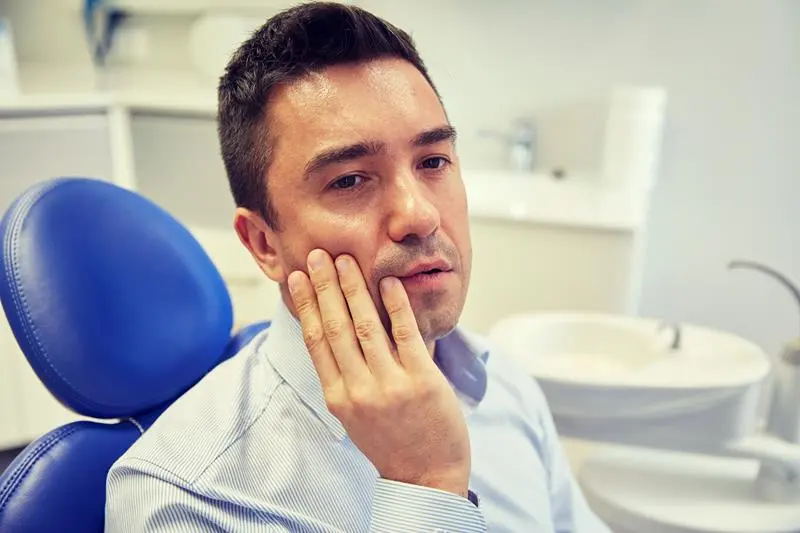
Signs you may need a root canal
- A severe toothache or throbbing pain
- Swelling in your jaw around the tooth
- Bleeding
- Bad breath
What to Look For
Since this is happening on the inside of the tooth, you won’t necessarily see the damage. Instead, you could feel it through pain and notice other signs that include bleeding, swelling and bad breath.
What a Root Canal Does
A root canal removes the diseased or infected part of the tooth, and it removes the nerve from a severely broken tooth, allowing the tooth to be saved. You may need a root canal if you have a severe toothache or throbbing pain, often along with swelling in your jaw around your tooth.
Benefits of Root Canal Treatment
The biggest benefit of a root canal is relief. Once the infected or inflamed pulp is removed, the pain that brought you in usually eases. Treating the infection also helps keep it from spreading to the bone and tissue around the tooth.
A root canal lets you keep your natural tooth. Saving a tooth is often the better choice for your long-term oral health, because it keeps your bite and the teeth around it in place.
What to Expect
Your dentist will start by examining the tooth and taking X-rays to see the shape of the roots and how far the infection has spread. The tooth is then numbed. A small opening is made in the top of the tooth so the infected pulp can be removed. The canals inside the roots are cleaned, shaped and disinfected, then filled and sealed. Depending on the tooth, this may take one or more visits, and a temporary filling is placed in between.
Most people say the procedure feels much like getting a filling. Afterward, the tooth may feel sore or tender for a few days, especially when you bite down.
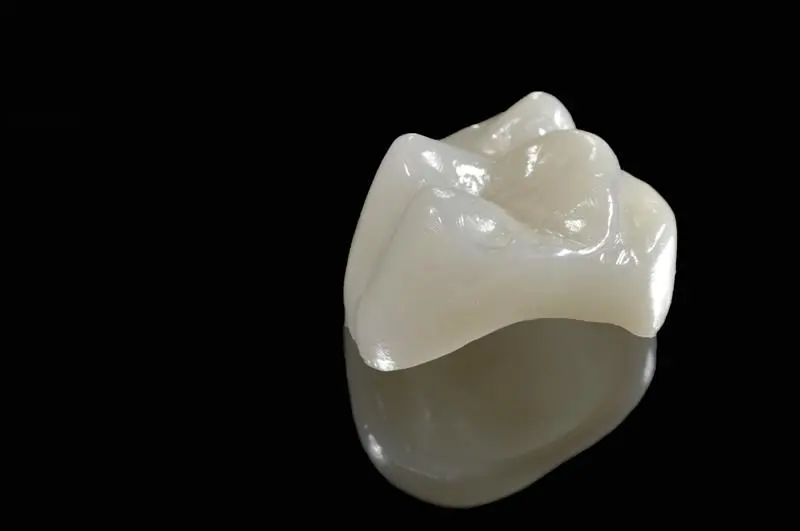
Because a tooth that has had a root canal can become more brittle, your dentist will often recommend a crown to protect it. Until the final restoration is in place, try to avoid chewing hard foods on that side.
Common Questions
Does a root canal hurt?
The tooth is numbed before treatment, so most people feel pressure rather than pain during the procedure. The infection itself is usually what causes the pain, and treatment is meant to relieve it. Some soreness for a few days afterward is normal.
Do I need a crown after a root canal?
Often, yes, especially for back teeth that handle a lot of chewing force. A crown helps protect the treated tooth from cracking. Your dentist will recommend the right restoration based on how much of the tooth remains.
Can I just have the tooth pulled instead?
Removing the tooth is sometimes an option, but it leaves a gap that can cause nearby teeth to shift and may need to be replaced later. Keeping your natural tooth is usually the better choice when it can be saved. Your dentist will go over the pros and cons of each option with you.
What should I do if I have a bad toothache after hours?
Call our office at 312-944-9355, or our after-hours line at 312-910-0995, and we’ll help you figure out next steps. If you have swelling that is spreading, trouble breathing or trouble swallowing, go to the emergency room right away.
Does insurance cover root canals?
Coverage depends on your plan. Our team can help you check your benefits before treatment. You can also visit our insurance and payment options pages, or ask about our in-office plan if you don’t have insurance.
Terms You May Hear
- Pulp
- The soft tissue inside a tooth that contains nerves and blood vessels. When it becomes infected, it can cause serious pain.
- Endodontic treatment
- The dental term for treatment inside the tooth, including root canals.
- Abscess
- A pocket of infection that can form at the tip of a tooth’s root, often causing swelling and pain.
Related Services

Dealing with tooth pain?
Call our Chicago office at 312-944-9355, or 312-910-0995 after hours, and we’ll see you as soon as we can.
After hours: 312-910-0995